The temporary column titled “Close Up” is the result of a collaboration between Flash Art Italia and Istituto Svizzero, and focuses on editorial hosting as a practice of sharing research. “Close Up” is conceived as an editorial space that hosts texts by writers invited by Istituto Svizzero to engage with and reflect on the practices of the artists in residence participating in the Roma Calling 2025/2026 programme.
Sultan Çoban (1994) is an artist working between Basel, Zurich, and Amsterdam. Her practice spans performance, directing, and installation, with a focus on cultural identity, memory, and self-representation. Her works combine sound, live projections, and staged elements. She holds a BA in Fine Arts from ZHdK and an MA from the Sandberg Instituut, Amsterdam. Her work has been presented at Gessnerallee in Zurich, Swiss Art Awards, Les Urbaines festival, and Istituto Svizzero. In Rome, through visual narratives and performance, she explored the creation of a hybrid figure between witch and angel as a metaphor for transformation and identity.
Suspended between languages, cities, and inherited memories, the work of Sultan Çoban unfolds as an accumulation of identities. Singer, actress, assistant, diva, witch: each performance adds another layer. Across a constellation of media, spanning live art, audiovisual, text, and installations, Sultan Çoban performs a fictional character that bears her own name. The irony of this gesture, almost quixotic, blurs any dichotomy between the real and fiction; becoming a method of inhabiting tensions between her Kurdish heritage, emigration, and hyper-femininity.
In the choreography of being seen, red lipstick, velvet curtains, and gold jewellery exist at the threshold of eroticism and baroque. A making and unmaking of identity in search of a sense of belonging. In Çoban’s performances, irony permeates everything. Camp – intended as a love of melodrama, artifice, and theatricality of gestures – operates as a temporary evasion from the patriarchal gaze we have internalised; the constant fear of being too much, too glamorous, tragically loving.
The fictional figure “Sultan Çoban” protects what autobiography cannot safely reveal, while simultaneously intensifying vulnerabilities. By exaggerating the codes historically used to discipline female visibility, the artist creates ruptures between wanting and being wanted. Between display and agency. Between gender roles and the bodies that exceed them.
If Unveiling for a Play (2024) reveals the theatricality of identity, staging a new character at every appearance, Zêr (2023) [Kurdish for gold] insists that subjectivity is constructed through adornment and repetition. The artist had been wearing a copy of her mother’s jewellery, collected over a lifetime, for two weeks prior to the opening, when she transposed the golden replicas onto a red-velvet display. By elevating the misogynist value that this ritual used to hold in the past into unprecedented meanings, the artist creates a new tradition. Not a patriarchal exchange sanctioned by marriage or death, but a demand to be seen on her own terms.
Zêr is both performance and fabulation, introspective yet public, fleeting yet monumental. Almost as a souvenir crystallises suspension, the objects in the show — a flowery curtain accompanied by handwritten notes and a photograph of her mother wearing the zêr at her age — refuse the catharsis of nostalgia.
Weaving together memories and material stories, the jewellery is neither fetish nor relic: it is a proposition. Like wearing a lover’s garment, celebrating a newly-invented ritual fosters a gesture of world-building, a genealogy of affects.
The copies of golden accessories, chains, and bracelets represent both tradition and phantasmagoria: they script the body into legibility while offering the redemption of autofiction. In the shimmer of red velvet and golden charms, ornamentation becomes a manifesto, an ode to intergenerational legacy, a rewriting of one’s role.Objects as simulacra of affects reappear in And Then I Left With & Without a Trace (Be Xatirê Te) (2025) or Arrival or the Return (2025). A dried rose with crystal chains, a used lipstick, a train ticket, a hotel pen. In the indefiniteness of being left aside or carried along, these objects become vessels of temporary belonging. Identity sediments into irrational prophecies, the kind of feeling when you close your eyes and flip a coin wishing for luck, daydreaming that you will be coming back to a certain place. Both works make tangible the ambivalences of emigration, the perpetual cycle of loss and excitement of navigating your life in your second language. Home cannot be located in a single place: instead, you try to make every place feel like your own.
Just as an immersive scent or a taste can transport you to another time-space, memory reverberates through overflowing sound. Arabesk ballads, Kurdish love songs, evanescent pop melodies wafting from radios, these are not nostalgic citations but technologies of romance. Sentimentality becomes a device through which feelings exceed narrative. Lyrics promise eternal devotion or mourn irreversible loss, yet in Çoban’s performances the emotional climax rises without resolution.
Her reenactments of televised pop shows are interrupted by multilingual anecdotes anchored to these songs. A hit overheard at the gym folds into the music of exhilaration filling New York streets. A ballad played at a Kurdish wedding resurfaces years later in another country. “I hope you’re also dancing at this moment,” she says in one monologue, creating a temporary community through listening. To lip-sync is to navigate contradictions: to reclaim autonomy while participating in a system structured by attention and desire. Echoing José Esteban Muñoz, popular culture then becomes the “stage where we rehearse our identities” (José Esteban Muñoz, Cruising Utopia: The Then and There of Queer Futurity (New York: New York University Press, 2009), 104.). To borrow a voice without relinquishing one’s own.
Moving between Northern Europe and Rome, Çoban recalls a guesthouse once owned by her family in Kurdistan, a place that survives primarily through gossip. There are no photographs or official documents; the house persists as a narrative trope. What does it mean to host and to be hosted when relationships are increasingly commodified? What if seduction is a way of claiming space rather than surrendering to it?
These questions intensified during her residency in Rome at Istituto Svizzero. The glass façade of the studio transformed rehearsal into a semi-public event. From outside, passersby glimpse fragments of movement, shifting curtains, reflections of light. The studio functions as an introspective refuge while staging the politics of the gaze.
When asked how Rome influences her research, Sultan Çoban replies, emphasising the mesmerising feeling of being immersed in its immemorial spectacle, its ruins, the Catholic opulence, its baroque decorations. The passion that permeates everything. Rome is making her want to sing again. Sometimes, she continues, “I take my fictional character out for a walk and we just go and look at the dresses in shop windows together”. While we speak, she mentions the impression that her work resonates deeply in the audience here. I can’t help but think how her hyperfemininity gains even more significance in the context of post-Berlusconian feminism. Her personal diva aesthetic and identity experimentalism reveal the culturally mediated nature of gender performance while reclaiming the right to multiplicity. But most of all, her pride in being a Kurdish woman emerges throughout her practice: the ambition to represent other ideals beyond fighters and mourning, opening unprecedented paths through her life. Perhaps it is precisely in this positioning that the transformative power of Sultan Çoban’s autofiction lies: in weaving together personal and collective deconstruction, Kurdish diaspora and transnational encounters; allowing us to mirror ourselves in others’ resistance. In the rehearsal of excess, in the daring to be too much, in finding her own voice, new ways of living come into being.
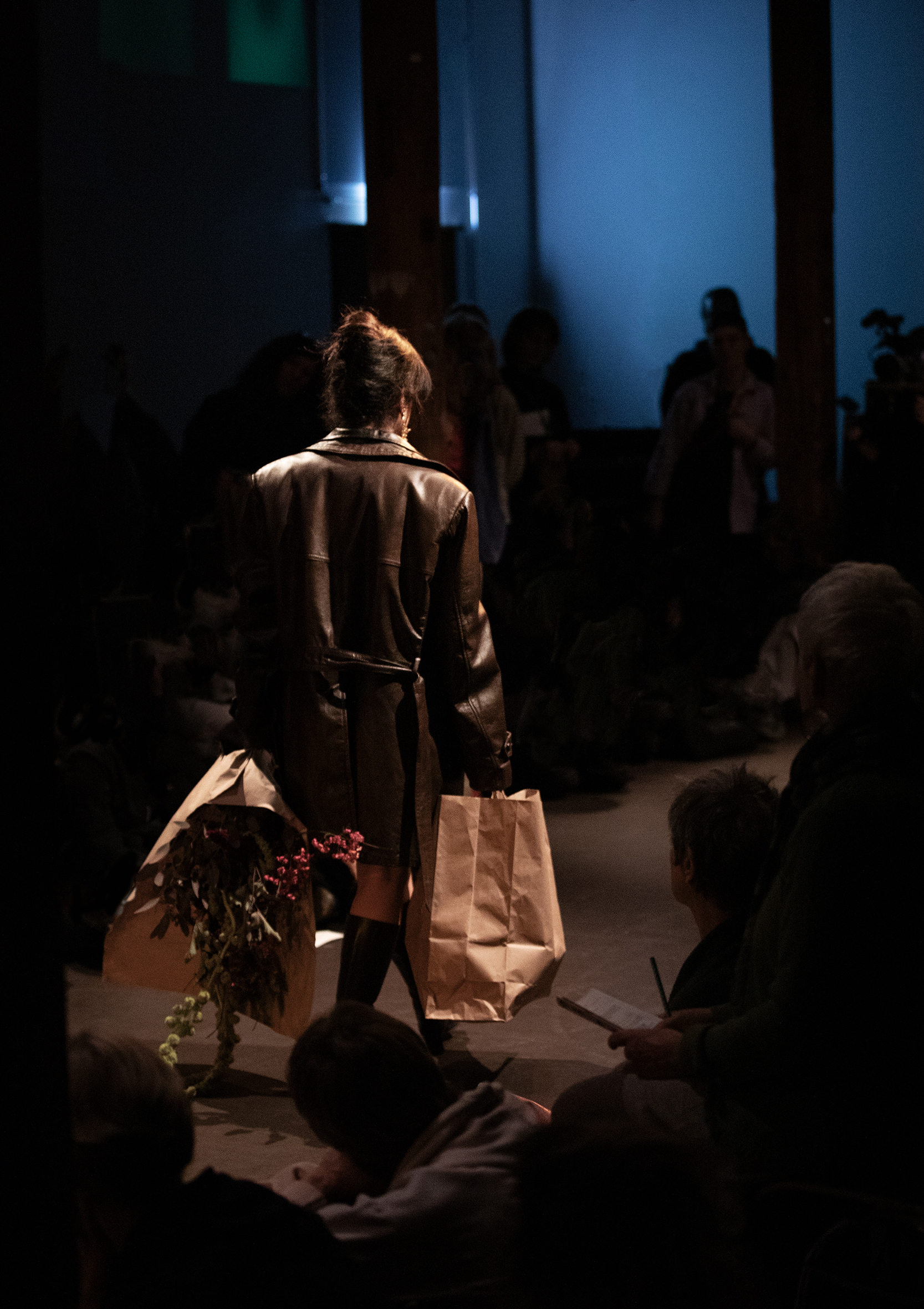
Seduction, far from being compliance, becomes a choreography of refusal. At the threshold between not-belonging-anymore and not-belonging-yet, overperforming femininity reveals its underpinning script and unsettles dominant power dynamics. Sultan Çoban often articulates refusal through disappearance. She turns her back to the audience. She exits before the music resolves. Objects gathered across cities remain as simulacra of presences. The radio continues to murmur. Every exit becomes a prelude to return. In leaving traces everywhere while carrying every place with her, belonging emerges through cyclical encounters, perpetually in the making. In the untranslatability of living between languages, freedom is neither a return to an origin nor assimilation into normativity but permanence in transition.
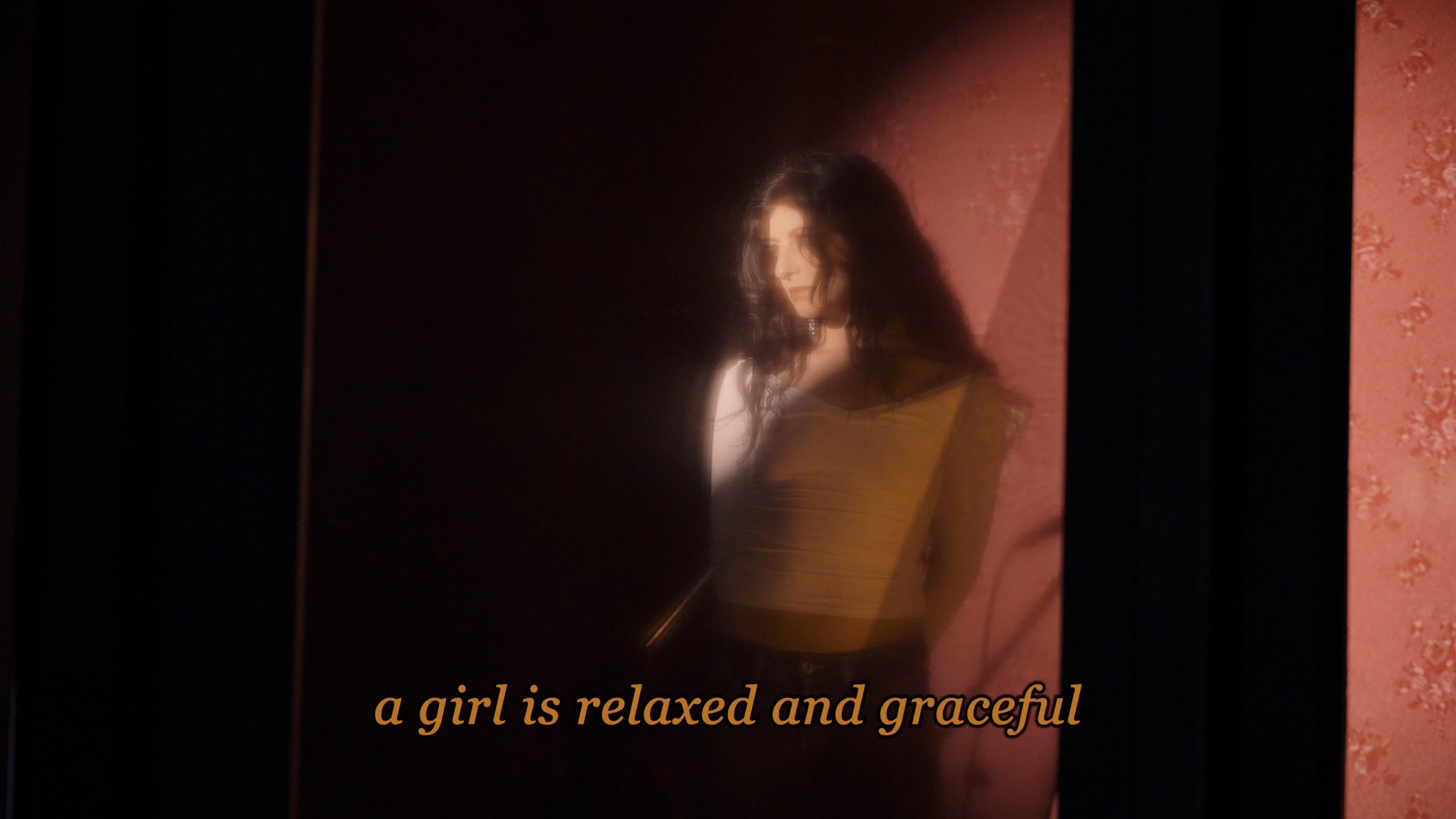
Beauty must be angry as Lisa suggested, 2026, Still Video shot by Paolo Blarzino
Performance showed at Istituto Svizzero, Rome
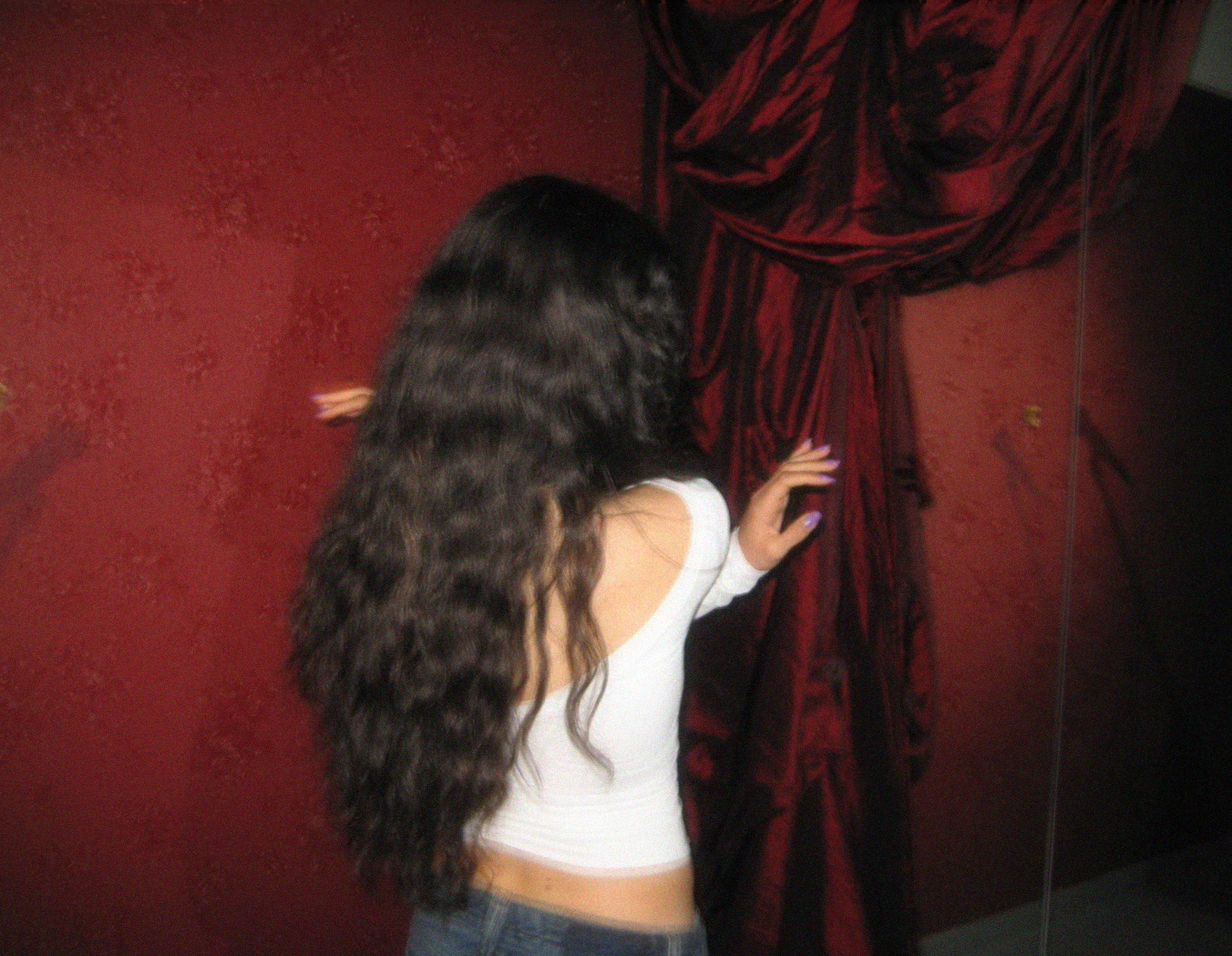
Beauty must be angry as Lisa suggested, 2026, ph. Ika Schwander
Performance showed at Istituto Svizzero, Rome
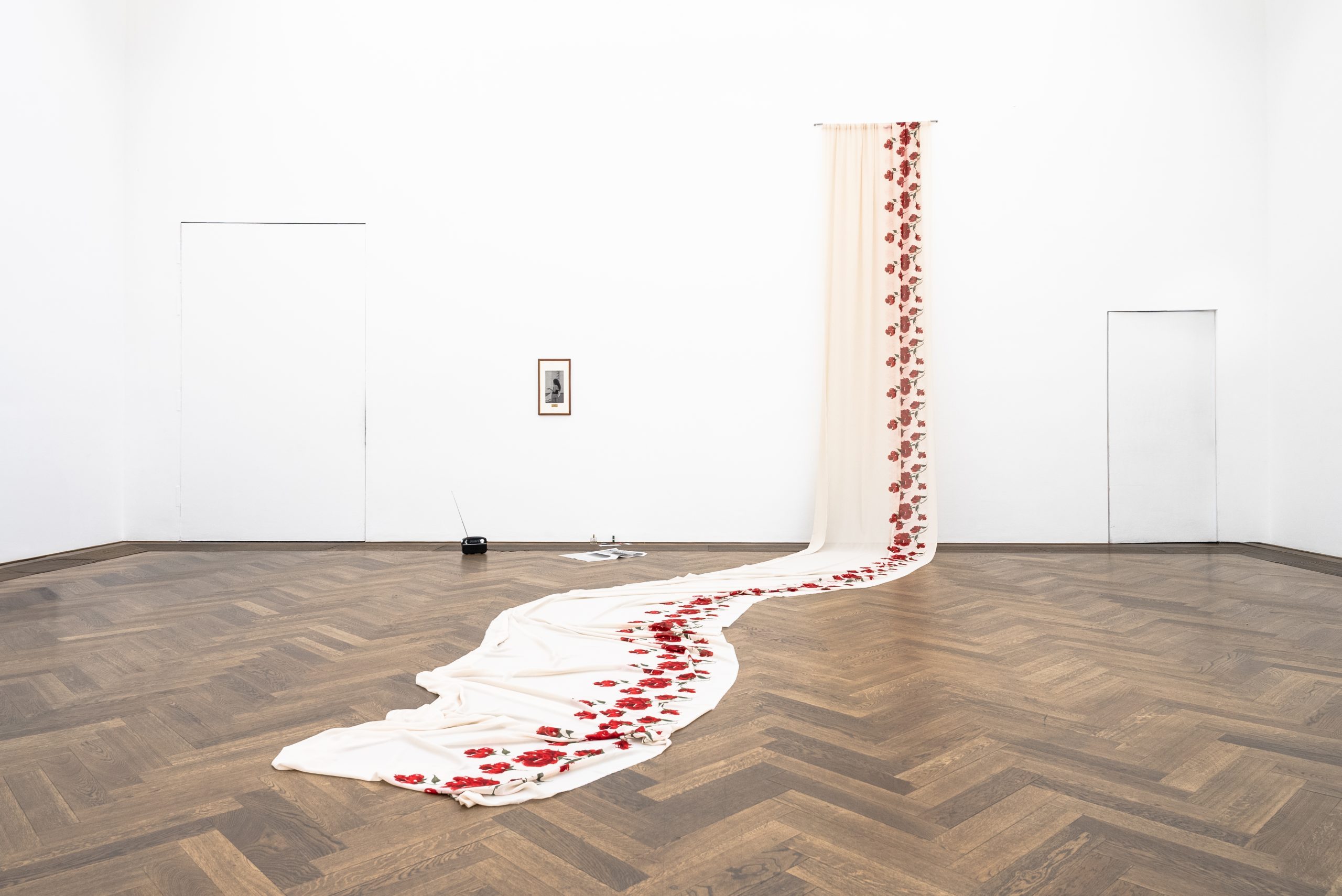
Arrival or the Return, 2025, ph. Irem Güngez Arrival or the Return 2, Performance and Installation showed at Kunsthalle Basel
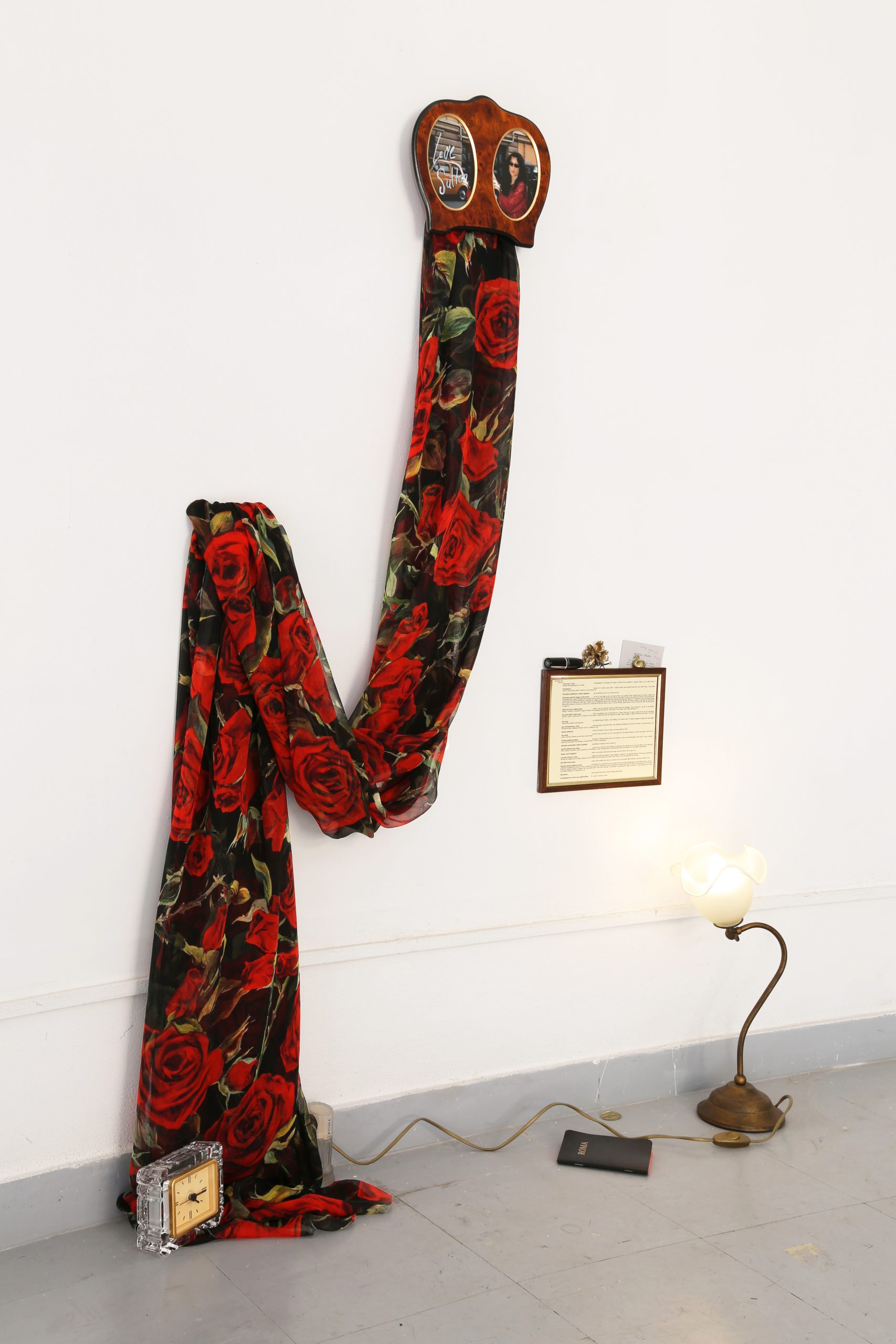
everybody here loves me, 2026, ph. Jacopo Rinaldi
Installation showed at Lateral Roma
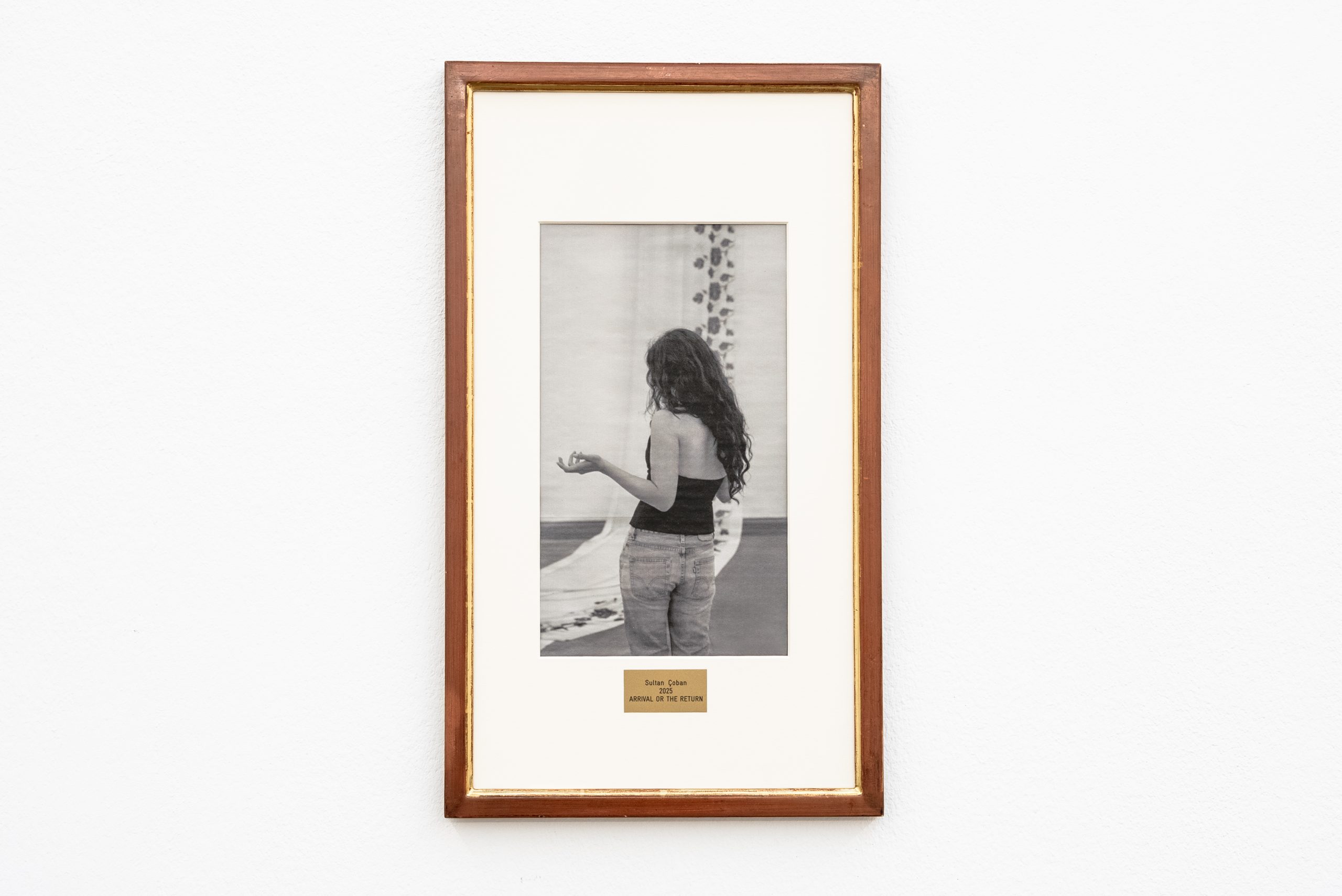
Arrival or the Return, 2025, ph. Irem Güngez Arrival or the Return 2, Performance and Installation showed at Kunsthalle Basel
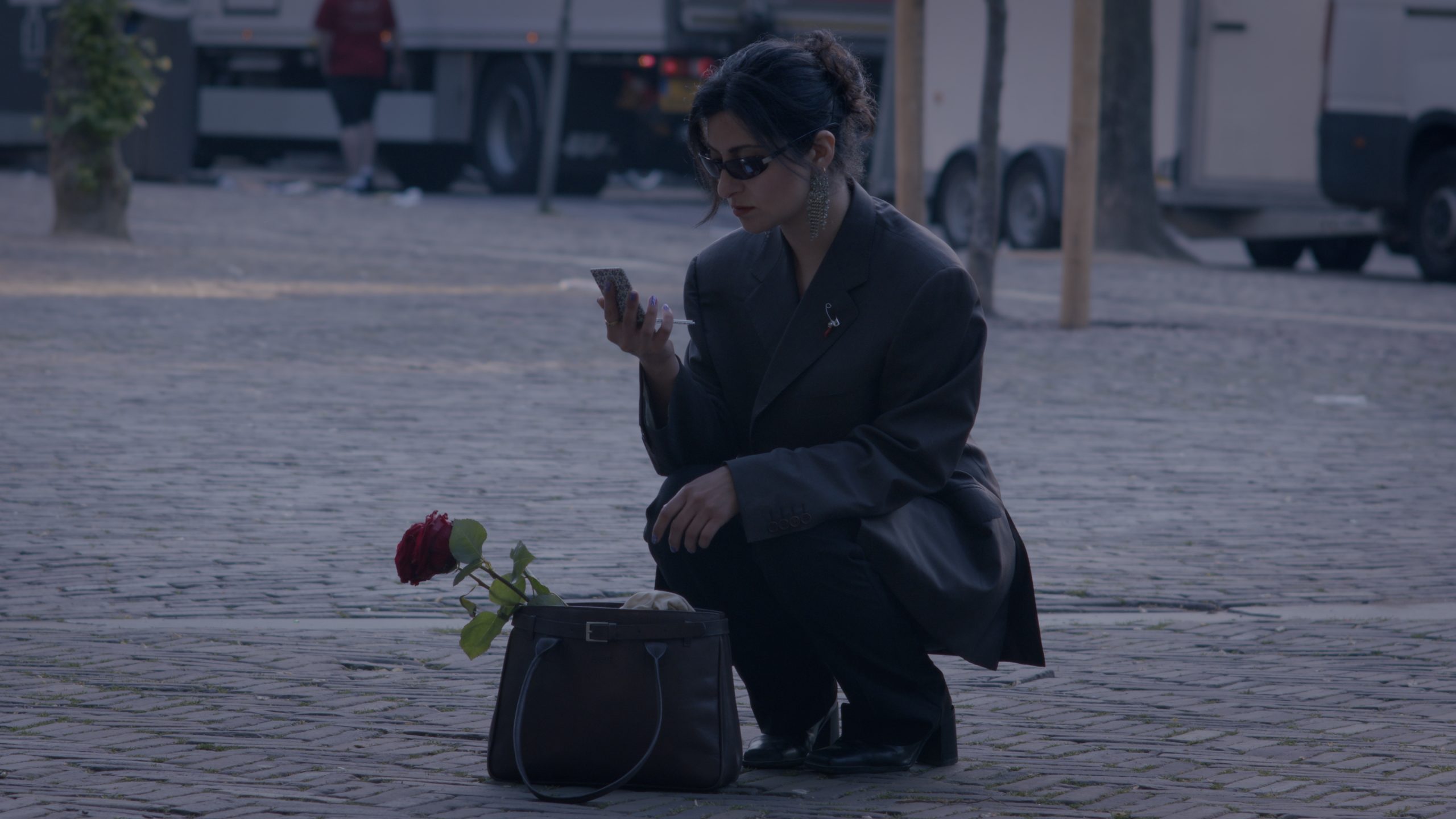
and then I left with & without a trace (be xatirê te), 2025 – still from the video shot by Jonathan Steiger, Performance and Video Installation showed in the Bradwolff Projects Amsterdam and Halle für Kunst Lüneburg
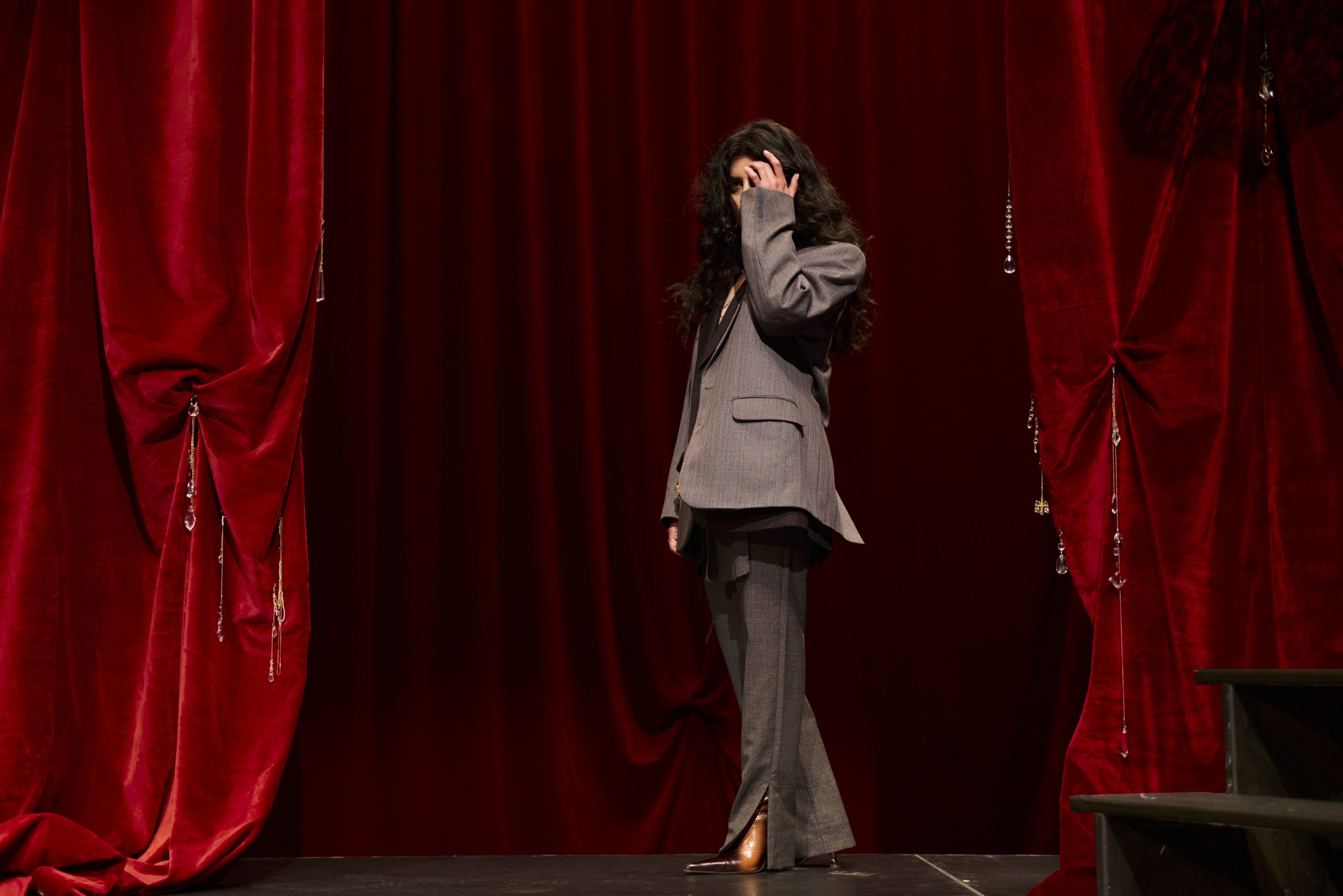
unveiling for a play (act Il, scene l) 2, 2024, ph. Lara Esquada
Performance showed at Gessnerallee Zurich, and LES URBAINES
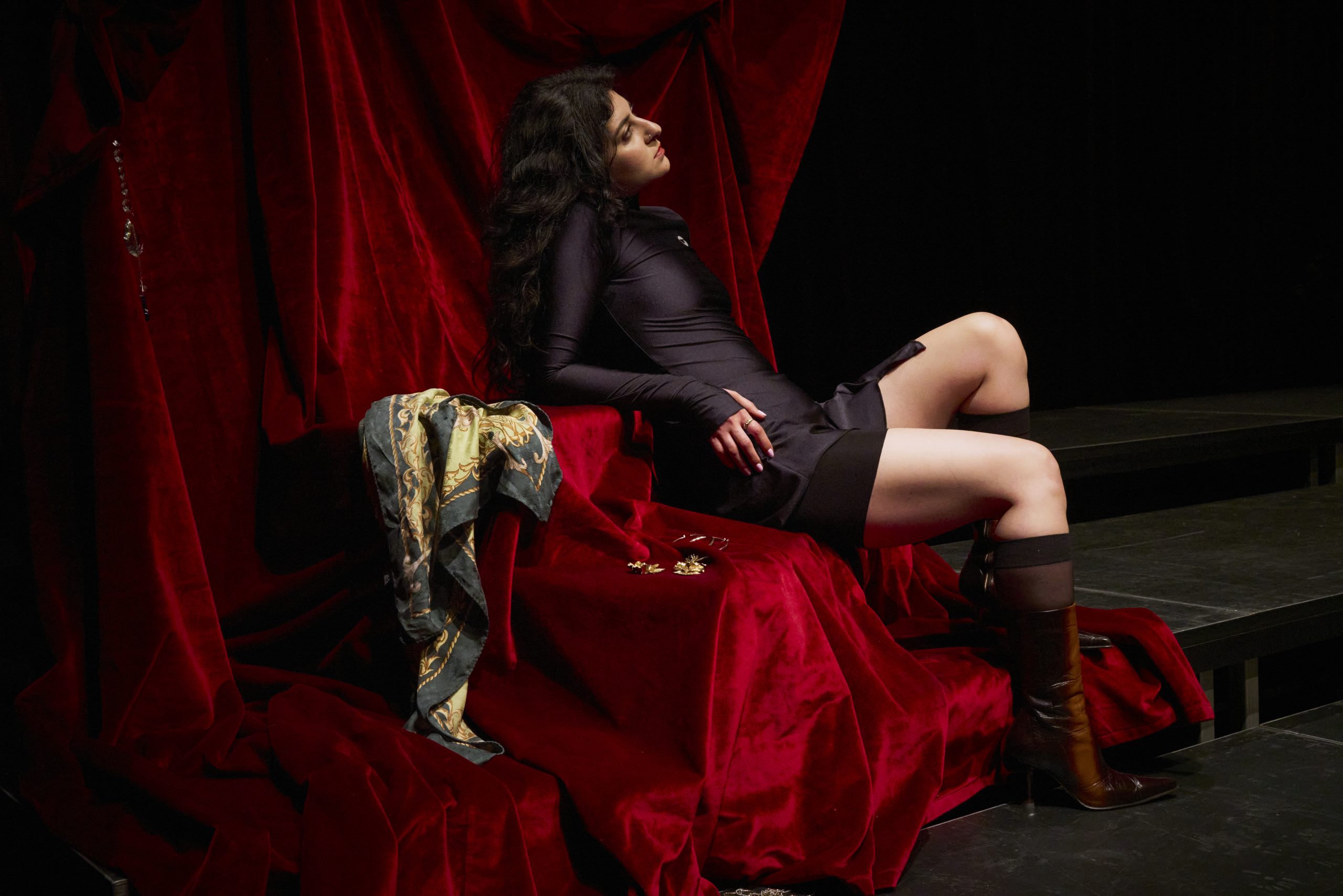
unveiling for a play (act Il, scene l) 2, 2024, ph. Lara Esquada
Performance showed at Gessnerallee Zurich, and LES URBAINES
I came knowing I would show up again, 2024 – Karin_Salathé.png
year 2024, Performanceshowed at the Swiss Performance Art Award, Gessnerallee Zurich