Between Satraps and “Strategoi”
H17:00-19:30
Serie “I Pomeriggi”
H17:00-19:30
Serie “I Pomeriggi”
REGISTRAZIONE QUI PER SEGUIRE IN PRESENZA
REGISTRAZIONE QUI PER SEGUIRE A DISTANZA
Between Satraps and “Strategoi”
Inscribing Power in the Eastern Mediterranean
L’evento è parte della serie I Pomeriggi dedicata ai Fellows.
A cura di Cinzia Tuena (Fellow Roma Calling / Storia).
Questo workshop indaga le ricche e complesse intersezioni tra le modalità persiane e greche di (auto-)rappresentazione nel V e IV secolo a.C., un periodo segnato da ambizioni imperiali, intrecci culturali e identità politiche in trasformazione. Mentre l’Impero achemenide (550–330 a.C.) affrontava sfide interne e pressioni esterne, e mentre le poleis greche e il nascente potere macedone ridefinivano il proprio ruolo nel mondo mediterraneo, sovrani ed élite ricorrevano all’epigrafia e ai media visivi per affermare la propria legittimità, negoziare l’identità e comunicare attraverso confini culturali.
Lə partecipanti esploreranno come iscrizioni e iconografie abbiano funzionato come strumenti di strategia dinastica in spazi contesi quali l’Asia Minore, il Levante e l’Egeo. Il workshop intende esaminare l’uso politico del linguaggio, della scrittura e dell’immaginario nelle zone di contatto persiano-greche. Concentrandosi su questi secoli cruciali, la discussione metterà in luce come i media testuali e visivi abbiano plasmato, e siano stati a loro volta plasmati, dalle dinamiche di impero, resistenza e scambio culturale.
I Pomeriggi è una serie transdisciplinare curata dallə Fellow dell’Istituto Svizzero. Basandosi sulle loro ricerche in corso, lə Fellow in residenza a Roma, Milano e Palermo concepiscono eventi e iniziative presentati all’interno del programma pubblico dell’Istituto, favorendo il dialogo tra arte, scienza e ricerca. La serie comprende una varietà di formati, spesso coinvolgendo ospiti e partner esterni, tra cui conferenze, seminari, performance, concerti, passeggiate e altre attività.
L’evento può essere fotografato e/o videoregistrato per scopi di archiviazione, educativi e promozionali, e per scopi promozionali correlati. Partecipando a questo evento, date il vostro consenso a essere fotografate/i e/o videoregistrate/i.
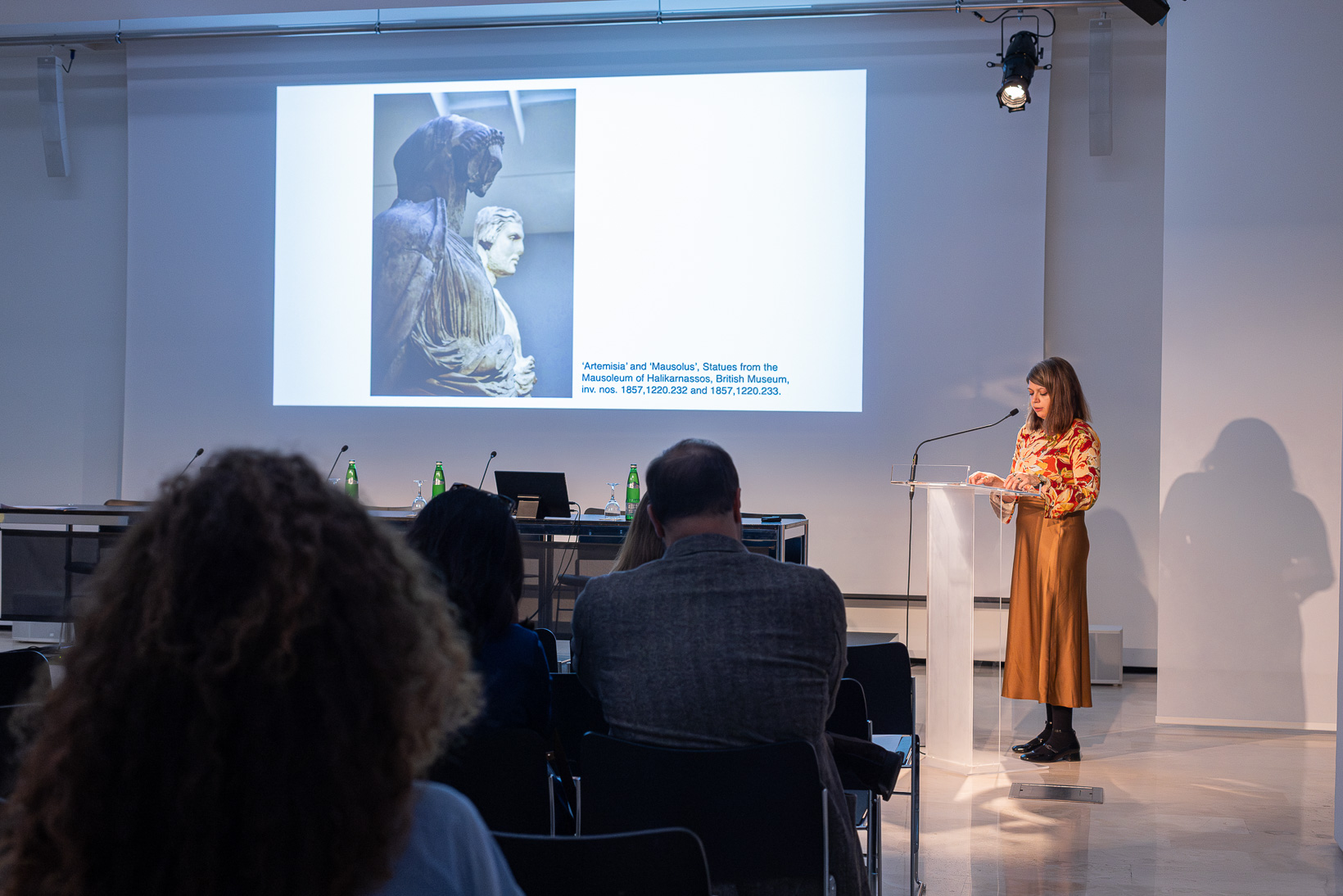
PROGRAMMA:
H17:00 Benvenuto e introduzione
Ilyas Azouzi, Istituto Svizzero
Cinzia Tuena, Istituto Svizzero, Università di Basilea
H17:20 The Achaemenid Empire and Its Western Borderlands: Cosmopolitanism and Impact
Julian Degen, Università di Innsbruck
H17:40 Achaemenid Owls? Northern Anatolia between Athens and Persia
Leah Lazar, Università di Manchester
H18:00 Pausa Caffè
H18:20 King at Home, Satrap in Persia? Reflections on the Titulature of Power in Hecatomnid Lycia
Marco Ferrari, Institut Français d’Études Anatoliennes (IFEA) / Research Center for Anatolian Civilizations (ANAMED), Università di Koç
H18:40 Divine and human honours for satraps and generals. The cities of Asia Minor and their models of behaviour in the 4th century BC
Roberta Fabiani, Università di Roma Tre
H19:00 Tavola rotonda
Julian Degen ha studiato Storia antica e Studi sul Vicino Oriente antico presso l’Università Leopold-Franzens di Innsbruck. Nel 2020 ha conseguito il dottorato di ricerca sotto la supervisione di Robert Rollinger con una tesi su Alessandro Magno e il suo impero. Ha insegnato Storia antica presso le Università di Hildesheim e Kiel e ha ricoperto una posizione post-dottorale all’Università di Treviri. Nel 2025 è stato nominato Professore di Storia antica presso l’Università Leopold-Franzens di Innsbruck, con un focus di ricerca sugli imperi e sulla storiografia. È ricercatore principale nel Cluster of Excellence “EurAsian Transformations”, vicepresidente del progetto Melammu e membro centrale del progetto PERSIAS in Norvegia. Ha recentemente completato l’abilitazione con uno studio su Strabone e le geografie imperiali.
Leah Lazar è Lecturer in Cultura ellenistica presso l’Università di Manchester, dopo aver completato il dottorato e il post-dottorato all’Università di Oxford. La sua ricerca riguarda la storia politica ed economica del mondo greco, con un forte interesse per l’Anatolia achemenide. Il suo primo libro, Athenian Power in the Fifth Century BC (Oxford University Press 2024), offre una nuova prospettiva sul rapporto tra l’Impero ateniese e le comunità soggette, incluse quelle situate all’interfaccia tra le influenze ateniesi e achemenidi. Il suo nuovo libro (nell’ambito del progetto CHANGE finanziato dall’ERC a Oxford) analizza la complessa interazione tra poteri imperiali e comunità minori nell’Anatolia antica attraverso la lente dell’economia monetaria, in una serie di studi di caso che vanno dalla Lidia arcaica e dall’invenzione della monetazione fino all’arrivo di Roma.
Marco Ferrari (1996) ha conseguito il dottorato in Storia greca antica e Studi achemenidi presso l’Università Sapienza di Roma e l’École Pratique des Hautes Études–PSL (Parigi). I suoi principali interessi di ricerca riguardano i rapporti tra il mondo greco e l’Impero persiano achemenide (VI–IV secolo a.C.), con particolare attenzione ai processi di acculturazione tra comunità greche, iraniche e anatoliche in Asia Minore. Attualmente è assegnista di ricerca post-dottorale presso l’Institut Français d’Études Anatoliennes (IFEA) e il Research Center for Anatolian Civilizations (ANAMED, Università Koç) a Istanbul, dove conduce un progetto sull’integrazione delle élite iraniche e locali nell’Anatolia nord-occidentale.
Roberta Fabiani è Professoressa di Storia greca presso l’Università degli Studi Roma Tre. I suoi principali ambiti di interesse sono l’età tardo-classica ed ellenistica, con particolare attenzione all’epigrafia greca. Ha contribuito a numerosi studi sulla Caria e sulla città di Iasos ed è stata incaricata dal progetto Inscriptiones Graecae della Berlin-Brandenburgische Akademie der Wissenschaften della nuova edizione di IG XIV per la Magna Grecia.
Cinzia Tuena sta attualmente svolgendo un dottorato di ricerca in Storia antica presso l’Università di Basilea, dopo aver studiato a Zurigo e Oslo. Nel 2025/26 è borsista presso l’Istituto Svizzero di Roma ed è affiliata come Visiting Scholar all’Università degli Studi di Roma Tre a supporto della sua ricerca, che si concentra principalmente sulle strutture di genere e sul potere dinastico, con un’attenzione geografica all’Asia Minore. La sua tesi esamina le reti familiari degli Ecatomnidi, focalizzandosi sulle funzioni politiche e simboliche dei matrimoni tra fratelli. Attraverso l’analisi delle fonti epigrafiche, esplora come tali pratiche abbiano contribuito a plasmare autorità, identità e legittimità all’intersezione tra le sfere culturali persiana e greca nel IV secolo a.C.
Photo: Davide Palmieri
Photo: Davide Palmieri
Photo: Davide Palmieri
Photo: Davide Palmieri
Photo: Davide Palmieri
Photo: Davide Palmieri
Photo: Davide Palmieri
Photo: Davide Palmieri